
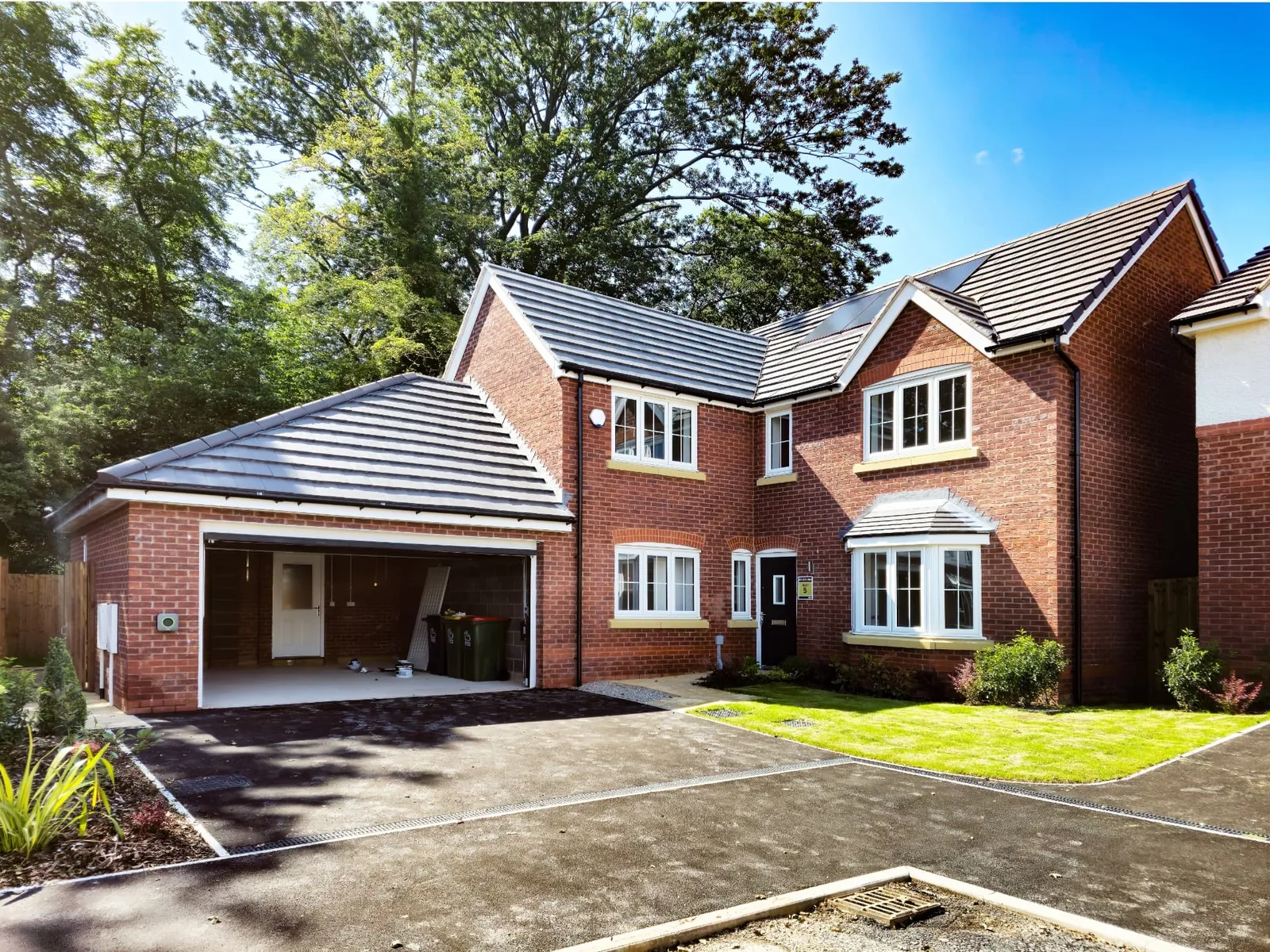
Block Paving & GravelDriveways Builtfor King's Lynn
Block paving, gravel and natural stone, built around the way you park.
5.0 from 6 Google reviews · Free, no-obligation quotes
15 years' experience
Owner-run by Ed
Trust a Trader
Registered member
Insured & guaranteed
Public liability + workmanship guarantee
Quotes in ~1 week
Free site visit first
Driveways in West Norfolk
A driveway that supports more than appearances
Your driveway has to carry parked vehicles, cope with tyres turning in the same spots and give rainwater somewhere suitable to go. Fines Landscaping & Building Services installs block paving, gravel and natural stone driveways in King's Lynn and West Norfolk. Whether you are replacing sunken parking bays or making better use of a front garden, Ed starts by looking at vehicle access, turning space, ground levels and drainage. The aim is a parking area that works when you arrive home, open the car doors and walk to the house, not simply a fresh finish viewed from the road.
A driveway specification needs to reflect the vehicles using it. As general industry guidance, vehicle-bearing areas usually need a deeper, more substantial sub-base than a pedestrian patio, but the appropriate depth depends on the ground, loading and chosen construction. Copying a patio detail without checking those conditions can leave wheel tracks or sinking paving. Full ground preparation is included on every Fines driveway installation: excavation, sub-base, edgings and drainage. Ed assesses the site before quoting rather than assuming every front garden needs the same build-up.
Material choice affects everyday use as well as appearance. Block paving offers a defined, jointed surface; gravel needs suitable containment and may benefit from stabilising grids where tyres turn; natural stone must be specified for vehicle loads rather than selected as if it were patio paving. The discussion stays focused on these alternatives, including how they meet the pavement, garage entrance, gates and paths. If the existing drive puddles, spreads gravel onto the footway or dips beneath the wheels, explain where it happens so the underlying cause can be considered.
Water management belongs in that first discussion, especially when turning a front garden into parking. A permeable finish only works as intended when the layers beneath it and the ground conditions support the drainage approach. Ed brings 15 years' experience and works with a small team of one or two regular subcontractors. Your free driveway visit establishes the scope for a quote, with most defined jobs priced on a fixed basis. You can bring your own driveway ideas; if you want garden design around the parking area, that is a separate chargeable service.
What goes wrong
Why driveways sink, spread and hold water
Driveway faults often appear where vehicles repeatedly brake, turn or stand. Covering a dip with more gravel or relaying a few blocks may disguise the symptom without fixing a weak base or trapped water. Assessing the whole parking area helps avoid paying for repeated surface repairs while the cause remains underneath.
Sinking beneath parked wheels
A shallow or poorly compacted sub-base can settle under vehicle loads, leaving depressions in block paving or stone. Those hollows then collect water and make parking uneven. Choosing a driveway on surface price alone can miss the excavation and foundation work that matter most; correcting extensive settlement may mean lifting the finish and rebuilding beneath it.
Ruts and escaping gravel
Loose gravel can shift where tyres turn, especially without firm edging or a suitable supporting construction. Repeatedly topping up the same ruts does not necessarily solve the problem. Stabilising grids may help retain gravel in heavily used areas, while properly planned edges keep the parking surface separate from planting and reduce migration towards the pavement.
Puddles at the garage or doorstep
A driveway laid to unsuitable falls can send rainwater towards the house or leave it standing across the walking route. Adding a channel afterwards may involve cutting out finished paving. Levels, linear drains and a suitable discharge route need considering together; a drain opening alone does not establish where the collected water can safely go.
Weeds returning through joints
Seeds can settle in dirt between paving blocks or among gravel, so no driveway should be sold as permanently weed-free. Letting debris accumulate encourages growth and can interfere with drainage. Repeatedly treating the visible weeds without clearing trapped soil misses part of the maintenance problem, while neglected joints may also need attention.
Parking laid before permissions are checked
An impermeable front garden driveway over 5m² generally needs planning permission unless water drains to a permeable area; check with the council before proceeding. A dropped kerb needs council approval too. Assuming the driveway quote covers highway permission can leave you with a parking area whose lawful access has not been resolved. Ask the council about the crossing separately.
Our process
How your driveways job runs
1
1. Free driveway visit and measure-up
Ed measures the proposed parking area and discusses which vehicles will use it. He looks at access, turning movements, existing dips, thresholds and water run-off. Bring your block paving, gravel or stone ideas, and flag any dropped-kerb or planning questions that you need to check with the council.
2
2. A quote for the agreed driveway
Most defined driveway jobs receive a fixed quote after assessment, usually within about a week depending on the diary. The scope covers the chosen surface and full ground preparation. Where the driveway specification is still undefined, a day-rate option can be discussed rather than treating unsettled details as fixed.
3
3. Excavation, base, edges and drainage
The team excavates and prepares the driveway for the agreed loading and finish. Sub-base construction, compaction, edgings and drainage are included, with levels considered against the house, garage and pavement. This is where the support for parked vehicles and the route for rainwater are established before the visible surface goes down.
4
4. Lay the chosen parking surface
Block paving, gravel or suitable natural stone is installed to the agreed layout. The team attends to joints, containment and transitions, including stabilising grids where specified for gravel. If you request a change to the parking layout or finish, Ed discusses the implications before it becomes part of the work.
5
5. Tidy driveway and final walk-round
The team tidies the work area and Ed walks the completed driveway with you, reviewing the finish, edges and drainage details. Ask about care, vehicle access after installation and anything needing attention. Driveway workmanship is guaranteed; ask Ed to confirm the applicable terms when discussing your quote.
What you get
Why it's worth doing properly
Fewer delays from undecided details
Measuring parking bays, checking access and agreeing the surface before excavation reduces avoidable decisions during installation. Your driveway programme starts with a defined scope rather than discovering the turning area or drainage route halfway through the work.
More considered access on foot
Driveway levels and transitions matter when you step out of the car carrying shopping. Addressing sunken sections, loose gravel at edges and awkward joins helps reduce avoidable trip points between the parking space and your front door.
Support for repeated vehicle loads
A driveway base specified for its ground and vehicle use gives block paving, gravel or stone a sounder start. Proper containment and preparation help resist the movement that can develop where wheels repeatedly turn or stand.
Less money spent chasing symptoms
Investigating sinking and poor drainage before laying a replacement driveway helps avoid paying for another surface over the same fault. Full excavation, sub-base, edgings and drainage are included rather than left as overlooked parts of the installation.
A parking plan you can follow
Ed is your contact for the measured driveway scope, surface choices and requested changes. Quotes usually follow within about a week, depending on the diary, so you know what is proposed before committing to the parking work.
A handover with questions answered
The final driveway walk-round gives you a chance to inspect paving joints, gravel containment and drainage details with Ed. The workmanship guarantee adds reassurance; confirm its terms alongside the quote rather than assuming a particular guarantee period.
The detail
Choose the driveway construction, not just the colour
A driveway surface must suit its foundation, its drainage route and the vehicles above it. These are the main differences to discuss when comparing block paving, gravel and natural stone for a King's Lynn parking area. None removes the need for proper excavation or an assessment of the existing ground.
Block paving for parking and turning
Block paving gives a defined parking surface with a choice of layouts, but pattern alone does not determine performance. The blocks, laying method, joints, edge restraint and foundation need to suit vehicle loading. Turning tyres place particular demands on the entrance and manoeuvring areas. Ed considers those movements when assessing the driveway, rather than treating every square metre as a pedestrian path.
Ordinary block paving should not automatically be described as permeable. A permeable driveway requires a compatible construction throughout, including suitable joints and underlying layers, with a workable destination for water. Individual blocks can sometimes be lifted for local work, but persistent sinking calls for investigation beneath them. Keep joints and the surface clear of accumulated dirt to limit weed growth and maintain the agreed drainage arrangement.
Gravel with proper restraint
Gravel can suit a front garden parking area where a loose-stone finish fits the house, but it still needs a vehicle-bearing base. The stone size and shape, depth, edging and daily turning movements all influence how it behaves. Stabilising grids can help hold gravel in place and reduce rutting where appropriate; they are part of a considered specification, not a substitute for sound ground preparation.
Edgings contain the gravel beside paths, planting and boundaries, while the entrance needs attention so loose stone does not continually migrate towards the public footway. Some redistribution and maintenance may still be needed. Gravel can allow water through, but permeability depends on the complete build-up and underlying conditions. Putting stone over an impermeable layer does not, by itself, create a functioning sustainable drainage system.
Natural stone selected for vehicle use
Natural stone can give a driveway a different texture and character from concrete blocks, but not every stone slab is suitable beneath a car. Stone type, thickness, dimensions and laying construction need checking for the proposed loads. A finish chosen for a patio should not simply be extended into parking without reassessing its suitability and the deeper supporting construction that vehicle use will generally require.
The driveway layout also needs workable cuts and transitions at garage thresholds, gates and pedestrian routes. Consider grip, cleaning and the way the stone will look alongside existing walls before settling on appearance alone.
SuDS, linear drains and council checks
Sustainable drainage systems, often shortened to SuDS, aim to manage rainwater rather than simply send it off the drive. Options may involve a permeable driveway construction or directing run-off to a suitable permeable area within the property, subject to site conditions. Impermeable surfacing over 5m² in a front garden generally needs planning permission unless water drains to a permeable area; check with the council for your particular proposal.
Where appropriate, linear drainage channels can intercept water across an entrance or beside a garage, but they need suitable falls and an agreed outlet. They do not automatically make an impermeable driveway compliant. Dropped kerbs need council approval: ask the council about permission and its process, rather than assuming Fines arranges it. Builders and self-builders can also discuss standalone groundworks or drainage for a driveway before the final surface is commissioned.
Related services
Driveways across West Norfolk: driveways in King's Lynn, driveways in Downham Market, driveways in Watlington, driveways in Hunstanton, driveways in Wisbech, driveways in Swaffham, driveways in Dersingham, driveways in Heacham, driveways in South Wootton, driveways in Terrington St Clement - all areas we cover.
Driveways FAQs
Questions we get asked
How much does a driveway cost in King's Lynn?
Driveway cost depends on the parking area, chosen blocks, gravel or stone, vehicle loading, excavation, access and drainage requirements. Existing surfaces and ground conditions also affect the scope. Ed provides a free site visit, then a fixed quote for most defined driveway jobs, with full ground preparation included.
How long will my driveway take, and when can you start?
Driveway duration depends on size and is confirmed in your quote. Quotes usually arrive within about a week, depending on the diary. Larger driveway jobs can book several weeks ahead, with lead times varying by job scale and season. Discuss parking access during the work when agreeing the scope.
What happens before you lay the driveway surface?
Ed first measures the parking area and discusses vehicles, levels, materials and drainage at a free visit. After the quote is agreed, installation includes excavation, sub-base, edgings and drainage before the chosen driveway finish. Preparation is included on every driveway installation, not reserved for projects with visibly poor ground.
Is the driveway covered by a workmanship guarantee?
Yes, driveway workmanship is covered by a guarantee. Ask Ed to confirm its terms for your installation when reviewing the quote. At the final walk-round you can inspect the surface, edges and drainage details, raise questions and discuss care for the particular block paving, gravel or stone chosen.
How long should block paving, gravel or stone last?
Properly specified and maintained driveway paving can give many years of service, but no fixed lifespan is promised. Vehicle loads, ground conditions, drainage and upkeep all matter. Gravel may need redistribution or replenishment, while paved joints need attention. Persistent rutting or sinking should be assessed rather than treated as routine surface wear.
Do you install driveways in Downham Market and West Norfolk?
Yes. Alongside King's Lynn, driveway work covers Downham Market, Watlington, Hunstanton, Wisbech, Swaffham, Dersingham, Heacham, South Wootton and Terrington St Clement across West Norfolk and Fenland. A free visit lets Ed assess your parking layout, access and ground conditions before quoting for the chosen driveway surface.
Will my front driveway need planning permission or a dropped kerb?
Impermeable front garden surfacing over 5m² generally needs planning permission unless water drains to a permeable area; check with the council. Permeable construction must suit the site, not just the surface label. A dropped kerb needs council approval separately. Ask the council about that process; do not assume Fines arranges the approval.
How do I keep weeds and puddles off my new driveway?
Remove leaves and accumulated soil from paving joints, gravel and drainage channels so seeds have less material to grow in and water routes stay clear. Some weed growth can still occur. If puddles persist or wheel tracks deepen, speak to Ed about the driveway rather than repeatedly adding gravel or covering the affected area.
Get parking that drains and stands up to daily use
Free site visit, a clear fixed quote, and a workmanship guarantee on the finished job. Rated 5.0 on Google and a registered Trust a Trader member.
Mon–Fri 7am–6pm · Sat 8am–4pm · Back to home