
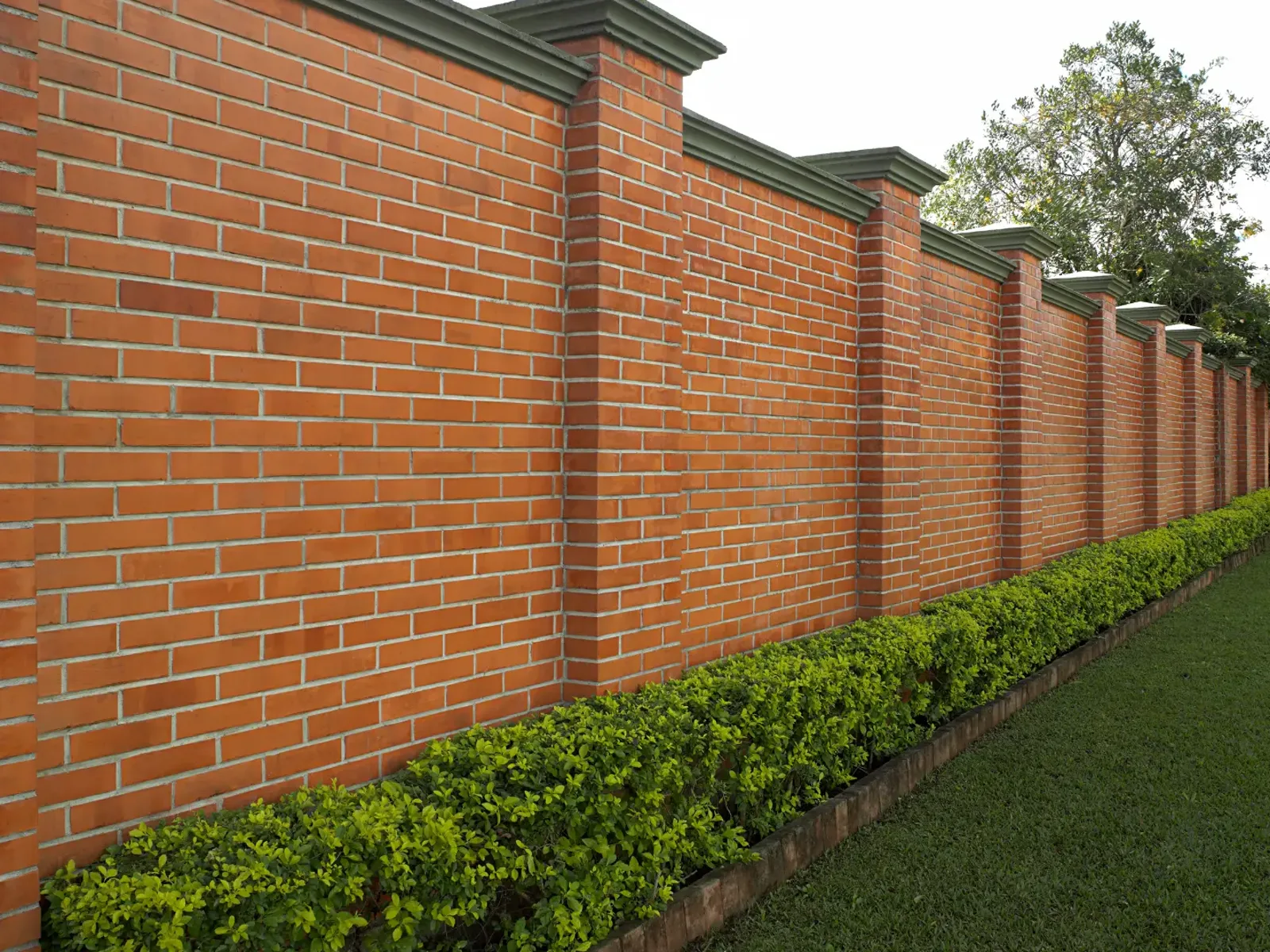
Garden Walls &Extension Brickworkin King's Lynn
Straight, plumb brickwork for garden walls, retaining walls and extensions, built on proper foundations by an experienced local team.
5.0 from 6 Google reviews · Free, no-obligation quotes
15 years' experience
Owner-run by Ed
Trust a Trader
Registered member
Insured & guaranteed
Public liability + workmanship guarantee
Quotes in ~1 week
Free site visit first
Brickwork in West Norfolk
Brickwork built for its setting
Brickwork can define a garden, hold back a change in level or form part of a wider building project. Fines Landscaping & Building Services undertakes garden walls, retaining walls and extension brickwork across King's Lynn and West Norfolk. Ed brings 15 years' experience to the work, supported by a small team of one or two regular subcontractors when the job calls for it. The aim is practical construction that looks at home in its surroundings and is set out with care from the first course to the final joint.
A garden wall may provide a clear boundary, divide a seating area or give a patio a more finished edge. A retaining wall has a different task: it needs to deal with soil and a difference in ground height as well as create a useful, attractive face. Extension brickwork needs to be considered in relation to the wider build and the customer's brief. Each project starts with understanding what the brickwork needs to do, what space is available and how it should sit alongside existing features.
Homeowners often get in touch when an old wall is leaning, a garden is difficult to use because of a slope, or a new layout needs robust boundaries. Builders and self-builders may need brickwork as one part of a larger project, or groundworks and drainage as standalone support. A site visit makes it possible to look at access, levels, existing structures and the intended finish before agreeing a sensible scope. Where the specification is clear, most work is quoted at a fixed price after assessment; where it is not, a day-rate option may be appropriate.
Brickwork that is poorly set out or built without considering its purpose can quickly become more than a cosmetic concern. A wall may crack, move or retain water where it should not. Getting the preparation and construction right at the outset helps avoid taking down and rebuilding work later. Ed provides a free site visit and quote, usually within about a week depending on the diary, then keeps the agreed work moving with clear communication, a tidy site and a final walk-round.
What goes wrong
Avoidable problems start below the surface
A wall that looks straightforward can still be affected by ground conditions, levels, water and how it connects to nearby paving or buildings. Rushing into construction or choosing a solution before those details are understood can leave homeowners paying twice: first for the initial work, then for investigation and correction. A site assessment helps establish the scope and identify practical questions before the build begins.
A wall that starts to move
Inadequate preparation or a design that does not suit the height and ground behind it can contribute to movement. Cracks, a bulge or a noticeable lean should not simply be covered with fresh pointing. Leaving movement unchecked may make repair more involved, as unstable sections can require dismantling and rebuilding rather than a small local fix.
Water with nowhere to go
Water can build up behind or around masonry if drainage has not been considered as part of the arrangement. Persistent dampness, staining or pressure can affect the wall and the area around it. The mistake is to treat drainage as an afterthought; at the visit, the intended levels and water run-off need to be discussed so the scope reflects the site.
Poor setting out and awkward levels
A wall that wanders, changes height unexpectedly or leaves unusable corners can spoil an otherwise good garden plan. Measuring only the visible face without checking ground levels, access and adjoining features risks discovering the problem once materials are on site. Reworking the layout later adds labour and can lead to mismatched or compromised details.
Choosing by appearance alone
A brick or wall style must suit the purpose as well as the look. A boundary wall and a wall retaining soil do different jobs, even if their finished faces appear similar. Assuming one detail fits every situation can leave the construction unsuitable for the site. Talk through the use, height and setting before settling on a specification.
Neglecting repairs until the damage spreads
Loose masonry, open joints and movement can worsen when ignored, particularly where water enters or sections are under pressure. A quick cosmetic patch may hide the symptom without addressing the cause. Early advice helps distinguish a contained repair from work that needs a wider assessment, giving you a clearer view of the likely scope before costs escalate.
Our process
How your brickwork job runs
1
1. Free site visit and measure-up
Ed visits to discuss the wall or building work, measure the area and look at levels, access, existing masonry and how the finished work will be used. You can explain your preferred appearance and any constraints. This provides a practical basis for defining the job rather than guessing from a few photographs.
2
2. Clear quote
After the assessment, you receive a written scope and pricing approach. Most defined jobs are fixed-price; where the specification is not yet settled, a day-rate option can be discussed. Quotes are usually provided within about a week, depending on the diary. The quote confirms what is included and helps you make decisions before work is booked.
3
3. Ground and work-area preparation
The team prepares the work area in line with the agreed scope, considering the base, access and any required groundworks or drainage. Existing features and levels are checked so the construction can be set out sensibly. Preparation is not the part to rush: it gives the masonry a sound start and keeps the following stages organised.
4
4. Brickwork installation
Masonry is built to the agreed layout and purpose, with attention to line, level and consistent joints. Ed keeps you informed as work progresses, and changes or extras can be discussed rather than assumed. If something needs clarification on site, it is better to agree the detail before it is built in.
5
5. Tidy site and final walk-round
At completion, the work area is tidied and Ed walks the finished job with you. This is the chance to review the agreed work, ask questions and identify anything that needs attention. Workmanship is covered by a guarantee; its duration is not specified here, so ask Ed for the applicable terms when discussing your quote.
What you get
Why it's worth doing properly
A clear start
A free visit and measure-up puts the proposed work in context before you commit. You can discuss the intended use, appearance and practical limitations directly with Ed.
Safer, considered construction
The team considers what the masonry is meant to do, especially where it retains soil or sits beside a route people use. Proper assessment helps avoid treating a structural purpose as a decorative detail.
Work prepared for the site
Levels, access and ground preparation are discussed before installation. That reduces avoidable surprises and helps the finished wall relate properly to the surrounding garden or building.
Fewer costly corrections
Agreeing the scope and key details before construction can prevent poorly planned work having to be altered or rebuilt. Transparent pricing makes the agreed job easier to understand.
Reliable communication
Ed works with a small regular team and keeps you informed. Reviews mention punctual, polite work, clear pricing and a clean, tidy site.
Confidence at handover
A final walk-round gives you time to inspect the result and raise questions. Workmanship is guaranteed, with the applicable duration discussed directly rather than guessed.
The detail
Brickwork for gardens and building projects
The right approach depends on the job: a low garden boundary, a retaining structure and extension masonry each have different requirements. Fines Landscaping & Building Services carries out the assessment, explains the scope and builds to the agreed brief. The service is available to homeowners as well as builders and self-builders looking for support with defined parts of a project.
Garden walls and boundaries
A garden wall can frame a path, separate areas or give a boundary a solid finish. Its height, position and relationship with gates, paving and planting all affect how it works in everyday use. Ed will discuss what you want the wall to achieve and measure the setting before the quote is prepared. That conversation helps align the appearance with the practical limits of the space.
Existing brickwork and surrounding levels are part of the picture. A new wall may need to meet older masonry or sit alongside paving that is staying in place. Agreeing the line and end details beforehand avoids an improvised finish. If your project includes patios, landscaping or gates, those related elements can be discussed as part of the wider layout.
Retaining walls and changes in level
Where a wall holds back soil, it is doing more than marking a boundary. The difference in level, ground behind the wall and water movement all matter to the scope. A free site visit lets the team see the real conditions and discuss the intended result. Avoid assuming a standard garden-wall detail will be appropriate for every retaining situation.
If an existing retaining wall is cracked, leaning or bulging, explain what you have noticed when arranging the visit. The appearance alone may not show the full cause, so the assessment needs to consider the surrounding ground and how the space is used. Groundworks and drainage can also be discussed where they form part of the project or are needed as standalone work for builders and self-builders.
Extension brickwork
Extension brickwork is considered as part of the customer's build requirements and the wider setting. Builders and self-builders can discuss the specific work they need completed, access and how it fits with other trades. A clear specification helps Ed provide a meaningful quote; if the details are still being defined, a day-rate option may be more suitable than pretending the scope is fixed.
Before work is booked, confirm the extent of the brickwork and any interfaces with adjoining work. The site visit is a chance to raise questions and make sure expectations are shared. Fines works with domestic customers and supports builders and self-builders; commercial work is not offered. Any project timing depends on size and is confirmed in the quote.
Materials, finish and care
The chosen masonry should make sense for the setting and the purpose. Discuss the look you want, how the new work meets existing features and what level of finish is expected. Rather than choosing on a small sample alone, consider the wall in relation to the garden, house and paving around it. Ed can help clarify the practical choices during the visit.
Once completed, keep an eye on joints and any signs of movement or water problems. If something changes, seek advice instead of covering a symptom with a cosmetic repair. The expected service life varies with materials, construction and exposure, so no fixed lifespan is promised. The workmanship guarantee applies; ask for its terms and duration when you receive your quote.
Related services
Brickwork across West Norfolk: brickwork in King's Lynn, brickwork in Downham Market, brickwork in Watlington, brickwork in Hunstanton, brickwork in Wisbech, brickwork in Swaffham, brickwork in Dersingham, brickwork in Heacham, brickwork in South Wootton, brickwork in Terrington St Clement - all areas we cover.
Brickwork FAQs
Questions we get asked
How much does brickwork cost in King's Lynn?
Cost depends on the size and height of the wall, access, ground conditions, preparation, drainage needs and the finish requested. Ed offers a free site visit and most defined jobs receive a fixed quote after assessment. No price can be confirmed responsibly without understanding the site and scope.
How soon can the work start and how long will it take?
Quotes are usually sent within about a week, depending on the diary. Big jobs may book several weeks ahead and lead times vary by scale and season. The duration of your job depends on size; it will be confirmed in your quote.
What happens at the first visit?
Ed discusses what the brickwork needs to do, measures the area and looks at levels, access and nearby features. It is a free site visit, with no obligation to proceed. You can use it to explain your preferred finish and ask about the practical scope.
Do you offer a workmanship guarantee?
Yes, workmanship is covered by a guarantee. The duration is not stated here, so ask Ed to confirm the applicable terms for your job when discussing the quote.
How long should a brick wall last?
There is no single lifespan that applies to every wall. Its purpose, construction, materials, ground conditions, water management and exposure all matter. Properly planned and maintained masonry can provide long service, but Ed will not promise a fixed duration for a particular site.
Do you work in Downham Market and West Norfolk?
Yes. Work is undertaken in King's Lynn, Downham Market, Watlington, Hunstanton, Wisbech, Swaffham, Dersingham, Heacham, South Wootton and Terrington St Clement, across West Norfolk and Fenland. Ask if your location is nearby.
Can you quote for a builder or self-builder?
Yes. Ed undertakes extension brickwork and can provide groundworks or drainage as standalone support for builders and self-builders, as well as domestic projects. A free visit helps define the scope; a day-rate option may suit work where the specification is not yet defined.
When can I contact Ed?
You can call 07784 298600 during Monday to Friday, 7am–6pm, or Saturday, 8am–4pm. Fines Landscaping & Building Services is a Trust a Trader registered member and has a 5.0 Google rating from 6 reviews.
Plan your brickwork with a clear quote
Free site visit, a clear fixed quote, and a workmanship guarantee on the finished job. Rated 5.0 on Google and a registered Trust a Trader member.
Mon–Fri 7am–6pm · Sat 8am–4pm · Back to home